Features
September 3, 2026
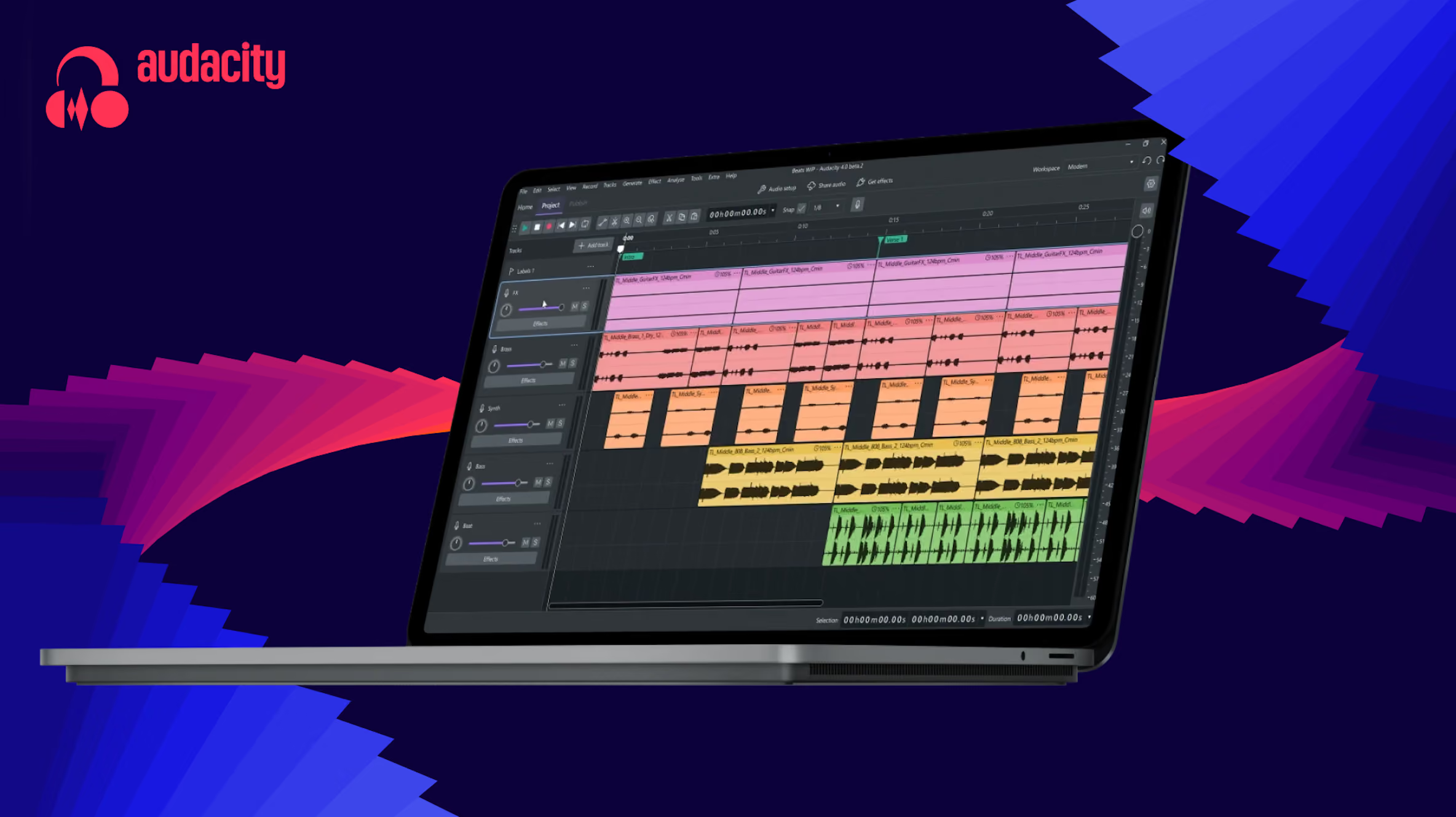
Muse Group, the global leader in music technology, today announced Audacity 4 – a major new version of the world’s most popular open-source audio editor used by musicians, podcasters, educators and audio creators. The new version redesigns the application's editing workflow, refreshes its interface and lays the groundwork for more in-depth product development in the future.
First released in 2000, Audacity is now annually used by millions of creators worldwide thanks to its free, cross-platform and open-source approach. Rather than reinventing the familiar app, Audacity 4 focuses on improving the way people work within the editor. Existing keyboard shortcuts remain available, projects created in Audacity 3 open normally, and the familiar layout of tracks and timeline has been preserved. At the same time, nearly every aspect of the editing
experience has been revisited.
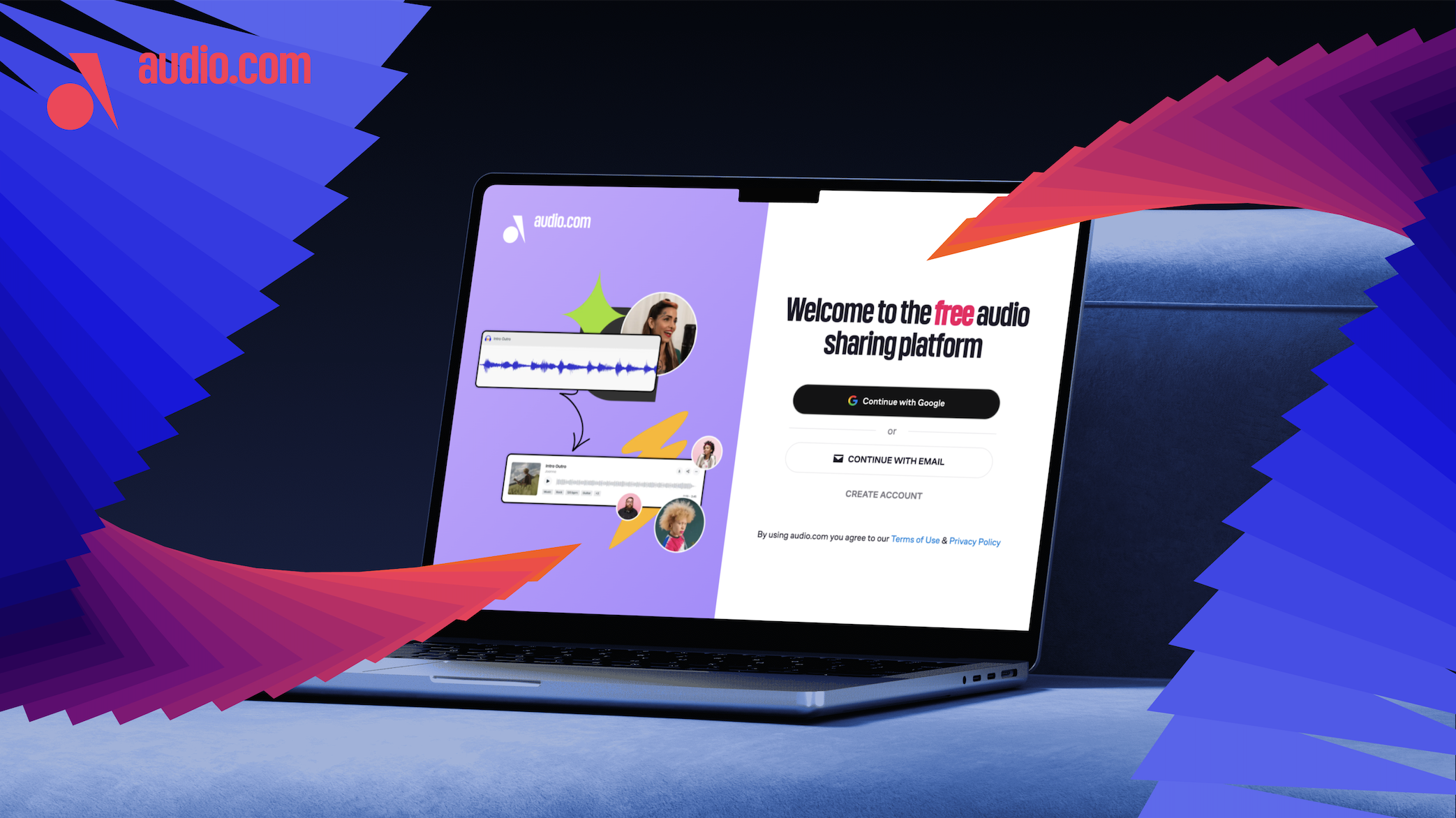
Although Audacity 4 represents the project's largest redesign in years, the development team describes it as a generational change for future releases rather than a one-time overhaul. The release also represents another step in Muse Group's strategy of building a connected ecosystem for music and audio creators. With tighter integration between Audacity and audio.com, the company is creating a more seamless experience for those who wish to share their music with the public.
"Audacity has been helping creators record and edit audio for more than 25 years, and our goal with version 4 was to prepare it for the next 25. At Muse Group, we're always looking ahead at how technology can help creativity. It was important for us to bring one of the world's most iconic audio editors into the new era. We are not changing what creators love about Audacity, but giving it the modern architecture needed to support the intelligent tools and connected workflows of the future," said Julia Sazhina, Chief Product Officer at Muse Group.
Audacity 4 remains free and open source. The project is developed by a core team supported by contributors from the wider open-source community, whose bug reports, translations, code contributions and feedback continue to shape its development. The full official version of Audacity 4 is available at MuseHub, Muse Group’s music and audio software marketplace. There users can find an ever growing catalog of curated tools (plugins, effects and sound libraries) that work with Audacity.
The heart of the update: a redesigned clip editing workflow
One of the biggest changes in Audacity 4 is its redesigned clip editing workflow. Clips can now overlap, multiple clips can be selected and edited together, and related clips can be grouped and moved as a single object. Editing is fully non-destructive, allowing users to recover trimmed audio simply by extending a clip. Users can also choose how deleting audio affects the rest of a project, with ripple editing options. These changes provide more flexibility for arranging complex projects.
New and updated editing tools
Audacity 4 also expands its editing toolkit. A dedicated Split tool, one of the community's most requested features, makes it faster to divide recordings at the playhead across one or multiple tracks. Clip envelopes bring volume automation directly into clips, allowing users to create fades and adjust volume without permanently altering the original recording. Built-in effects have been redesigned with updated interfaces while retaining their existing functionality, and the application continues to support real-time effects as well as VST3, Audio Unit and LV2 plug-ins.
A new way to organize projects
Audacity 4 introduces new ways for users to organize their work. For the first time, the application includes a dedicated home screen where users can access both local projects and cloud projects stored on audio.com. Projects are displayed as visual thumbnails rather than filenames, making them easier to browse and manage. The home screen is also designed to become a hub for tutorials and other learning resources. Alongside it, the new Workspaces feature lets users create customized interface layouts for different types of work, making it easy to switch between podcast editing, music production or audio restoration without reconfiguring the application each time.
Visual redesign and user interface update
Alongside the editing workflow, Audacity 4 introduces its most extensive visual redesign to date. The toolbar and track controls have been reorganized, playback and recording meters have been updated, and navigation has been simplified with an always-visible playhead and smoother panning and zooming. The application also includes light and dark themes, customizable accent colours and an improved high-contrast mode.

.avif)